Why Dream Comic Font Brings Cheerful Energy to Any Design
There's a particular challenge in design work that demands both professionalism and playfulness. You need something that feels trustworthy enough for a business but light enough to connect on a human level. This is where a typeface like Dream Comic enters the conversation. It’s a display font built for fun, but its applications are surprisingly practical for anyone working in branding, marketing, or creative projects.
The Visual Personality of Dream Comic
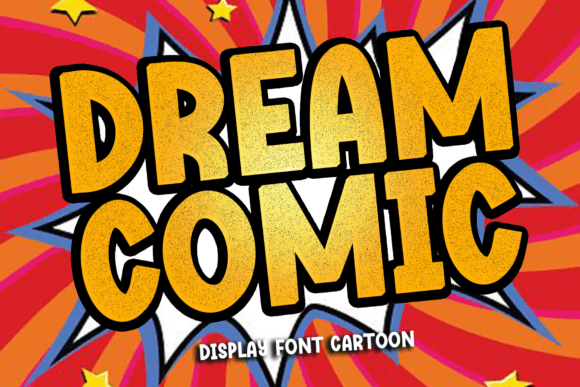
Dream Comic is what you'd call a quirky display font. Its letterforms have a bouncy, hand-drawn quality with rounded edges and slightly uneven baselines, giving it an organic, approachable feel. The characters sit comfortably between a handwritten font and a stylized sans serif, making it versatile for projects that need warmth without sacrificing legibility. The overall aesthetic leans cheerful and optimistic, which makes it particularly effective for audiences that respond to positivity and creativity.
Unlike some decorative typefaces that prioritize style over function, Dream Comic maintains readability at larger sizes. The glyphs and ligatures included with the font offer variations that prevent repetition in headlines and titles. Because it's PUA encoded, accessing these alternates is straightforward in most design software, giving you creative flexibility without technical headaches.
Children's Products and Educational Materials
The most obvious application is anything designed for younger audiences. Picture book covers, educational worksheets, children's party invitations, and toy packaging all benefit from a font that feels playful yet clear. When paired with bright colors and simple illustrations, Dream Comic reinforces a sense of joy and imagination. It communicates that the content is meant to be enjoyed, not just consumed.
Brand Identity for Creative Businesses
Small businesses targeting families, crafters, hobbyists, or creative professionals often struggle to find a typeface that balances personality with credibility. Dream Comic works well for bakeries, craft studios, children's clothing brands, and event planning services. It signals approachability and creativity, helping these businesses stand out in crowded markets. The font becomes part of the brand identity, contributing to recognition and consistency across different touchpoints.
Digital and Social Media Content
In the fast-scrolling world of social media, visual hierarchy matters. Dream Comic excels as a headline font for Instagram posts, YouTube thumbnails, Pinterest graphics, and blog headers. Its distinct character helps content stop the scroll without relying on aggressive tactics. For content creators and marketers working in lifestyle, parenting, education, or entertainment niches, this font adds personality to social media graphics while maintaining a cohesive visual language.
Packaging and Editorial Design
Consider a line of artisanal snacks or a children's magazine. Dream Comic can anchor the packaging design or editorial design with a friendly, inviting tone. It works particularly well when contrasted with a clean sans serif font or serif font for body text. This kind of font pairing creates visual interest and establishes a clear hierarchy, guiding readers through the content naturally.
How a Font Influences Perception and Engagement
Typography isn't just decoration. The fonts you choose shape how people interpret your message. A playful display font like Dream Comic can make a brand feel more human and relatable. It softens corporate messaging, makes educational content feel less intimidating, and adds emotional warmth to marketing materials. This isn't about being childish—it's about being approachable.
Visual hierarchy also benefits from thoughtful font choices. When Dream Comic handles headlines and subheadings, it draws attention naturally. Paired with a more neutral body font, it creates a rhythm that guides the eye without confusion. This balance between expression and clarity is what separates good modern typography from chaotic design.
Brand perception shifts when typography is consistent. Using Dream Comic across your logo design, website, packaging, and promotional materials builds recognition. People start associating that visual style with your business, which strengthens brand identity over time. It's a subtle but powerful form of professionalism.
Practical Guidance for Using Dream Comic
Before committing to any premium font, evaluate whether it fits your project's goals. Dream Comic shines in contexts where warmth, creativity, and approachability matter. It's less suited for formal corporate communications, legal documents, or dense body copy. Think of it as a specialist tool rather than a universal solution.
Testing font pairings is essential. Dream Comic works well alongside simple geometric sans serifs, clean grotesque typefaces, or even certain script fonts for variety. Avoid pairing it with other highly decorative fonts, which can create visual competition. Let it be the star of the show while supporting typefaces handle the heavy lifting.
Review the included styles and alternates before starting a project. The ligatures and glyph variations can add subtle differences that make your design feel more polished. Experiment with these options in your design software to see how they affect the overall look.
Readability should always be a priority. Test Dream Comic at the sizes you plan to use it. While it performs well at display sizes, it may lose clarity in smaller text blocks. Reserve it for headlines, titles, and short phrases where its personality can shine without compromising comprehension.
Finally, check the licensing terms if you plan to use the font commercially. Most commercial fonts come with clear guidelines for print, digital, and merchandise use. Understanding these terms upfront prevents issues later and ensures your design assets are legally sound.
Dream Comic isn't just another decorative typeface. It's a practical tool for anyone who needs to communicate with warmth and clarity. Whether you're designing for children, building a creative brand, or crafting engaging social content, this font brings a genuine sense of joy to the work. And in a world that often feels overly serious, that's worth something.